A research team from Cornell University has created a method to recover gold from e-waste and repurpose it as a catalyst for converting carbon dioxide (CO2) into organic materials. This innovative approach provides a sustainable solution for recycling a portion of the 50 million tons of e-waste produced annually, of which only 20% is currently recycled. The team utilized vinyl-linked covalent organic frameworks (VCOFs) to efficiently extract gold ions and nanoparticles from circuit boards in discarded electronics.
Recovering gold from e-waste
Turning e-waste into gold.

Explore more ..
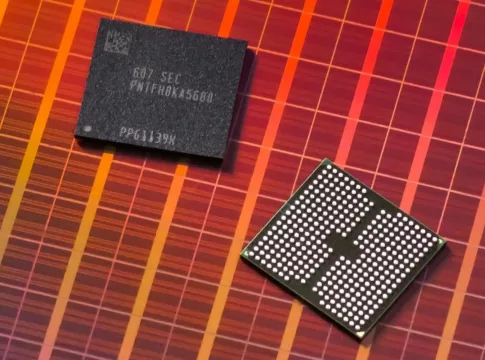
Samsung Unveils New Memory Tech for AI
Samsung showcases zHBM, zNAND-O and 400-layer V10 BV-NAND at FMS 2026.
Intel Collaborates with Lens Technology on Glass Chip Packaging
The partnership aims to speed up glass substrate manufacturing, a technology expected to power future AI chips, servers, robotics, and edge devices.

This Small Device Harvests Electricity From Exhaust
A Penn State prototype turns exhaust heat into electricity and works without the bulky cooling systems that have held back similar ideas for years.

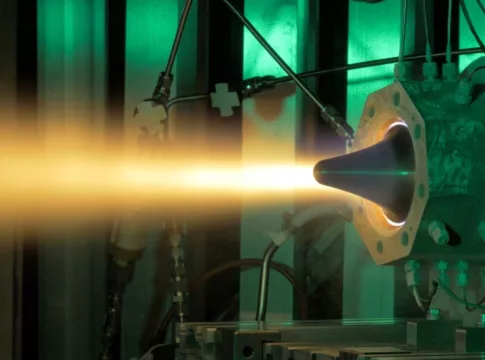
Swiss Students Just Fired One of the World’s Rarest Rocket Engines
An ETH Zurich student team successfully ignited a rotating detonation rocket engine, a futuristic system that could make future space launches cheaper and more efficient.