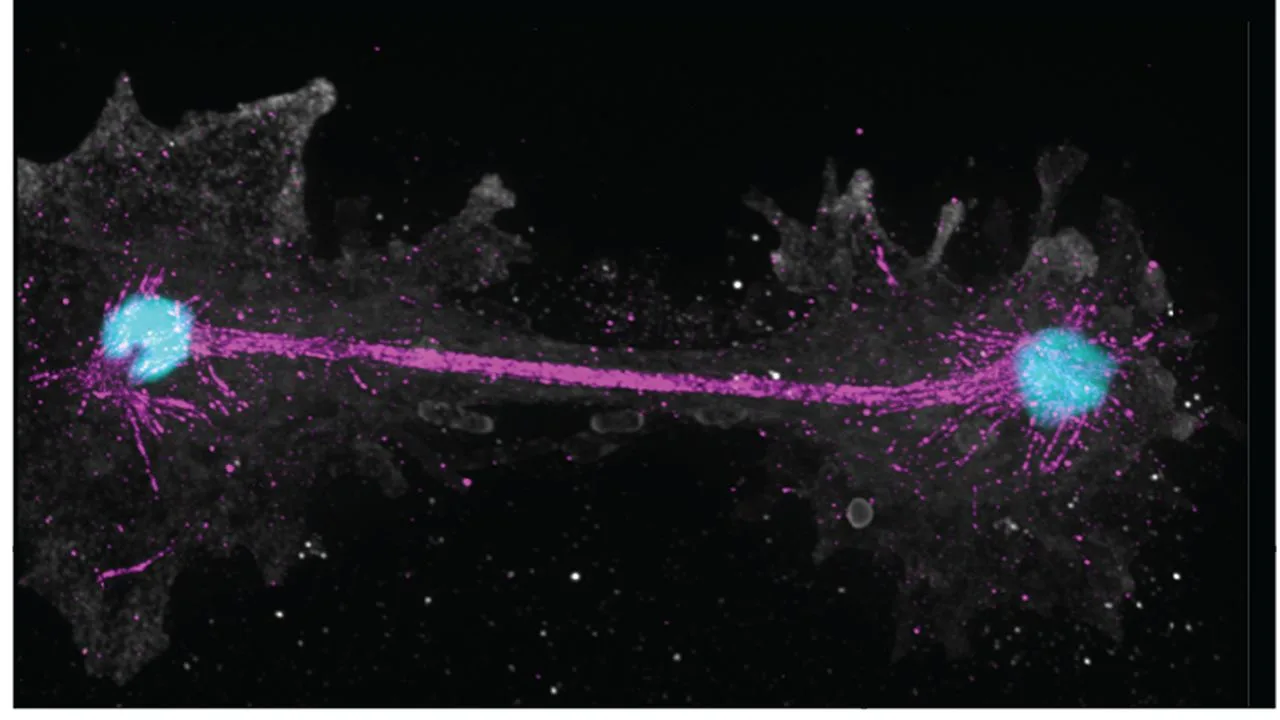
Newly discovered ‘fire amoeba’ eats and reproduces at 63°C

It establishes higher thermal limits for eukaryotes

60°C is considered an upper thermal limit at which complex eukaryotic life can thrive. Defying those odds, meet a newly discovered, single-celled amoeba, Incendiamoeba cascadensis, living in California’s hot spring that not just survives, but thrives, eats, and reproduces at 63°C. The researchers found that this amoeba protects and repairs heat-damaged proteins and DNA, while its cellular mechanisms may help it keep working at extremely high temperatures.

“This finding pushes the bounds of what we thought was possible, which is incredibly exciting,” says Angela Oliverio at Syracuse University.

Explore more ..

Plants move away from decaying zones

A previously unknown way plants navigate their underground environment

Earth’s Ozone Hole Was Surprisingly Small in 2025

The Antarctic ozone hole shrank compared with recent years, offering a hopeful sign in the long effort to protect Earth's ozone layer.

Human presence reshapes wildlife across America

Animals in wilder, less-developed areas react far more strongly to people passing through than those already living near towns and roads, a sweeping new study finds