
A multi-institutional research team led by Georgia Tech’s Hailong Chen has developed a new, low-cost cathode that could radically improve lithium-ion batteries (LIBs) — potentially transforming the electric vehicle (EV) market and large-scale energy storage systems. The revolutionary material, iron chloride (FeCl3), costs a mere 1-2% of typical cathode materials and canstore the same amount of electricity. Cathode materials affect capacity, energy, and efficiency, playing a major role in a battery’s performance, lifespan, and affordability.
New low-cost cathode could revolutionize lithium-ion batteries
Potentially transforming the electric vehicle (EV) market.

Explore more ..
Tesla’s Roadster Could Get SpaceX-Inspired Thrusters
Tesla has proposed rocket-related technology for its electric sports car, but it still needs to prove its capabilities.

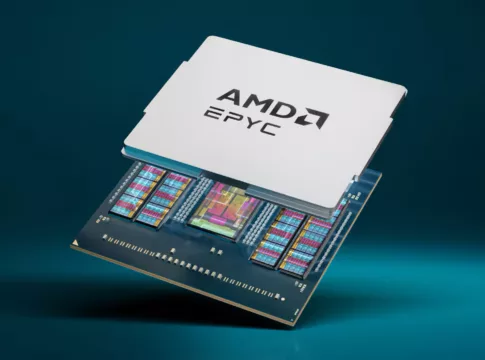
AMD’s Venice CPUs Bring 256 Cores to Agentic AI
AMD’s 6th-gen EPYC 9006 processors pair Zen 6 and TSMC’s 2nm process to handle the growing CPU demands of agentic AI.
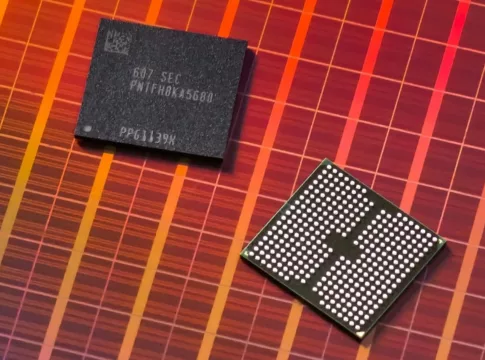
Samsung Unveils New Memory Tech for AI
Samsung showcases zHBM, zNAND-O and 400-layer V10 BV-NAND at FMS 2026.
Intel Collaborates with Lens Technology on Glass Chip Packaging
The partnership aims to speed up glass substrate manufacturing, a technology expected to power future AI chips, servers, robotics, and edge devices.
