
We have spent decades mapping the damage we do to wildlife through roads, farms, and cities. A new study suggests that map is missing something. Researchers tracked nearly 12 million GPS locations from thousands of birds and mammals and found that animals adjust where they go and how they live based on something far harder to map: the presence of people themselves. The results, drawn partly from pandemic lockdown data, suggest that even a jogger on a trail leaves a mark.
Human presence reshapes wildlife across America
Animals in wilder, less-developed areas react far more strongly to people passing through than those already living near towns and roads, a sweeping new study finds

Explore more ..
Newly discovered ‘fire amoeba’ eats and reproduces at 63°C
It establishes higher thermal limits for eukaryotes
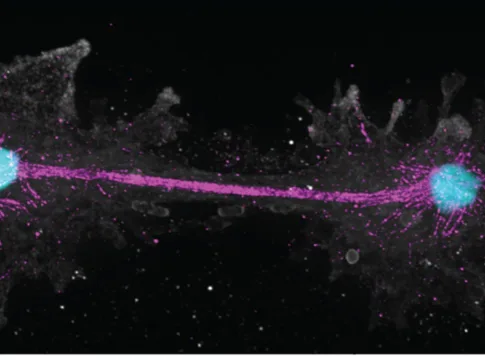
Plants move away from decaying zones
A previously unknown way plants navigate their underground environment
Scientists’ preferences may hold back animal science discoveries, per a study
The study advocates broadening of the research scope.
Earth’s Ozone Hole Was Surprisingly Small in 2025
The Antarctic ozone hole shrank compared with recent years, offering a hopeful sign in the long effort to protect Earth's ozone layer.
