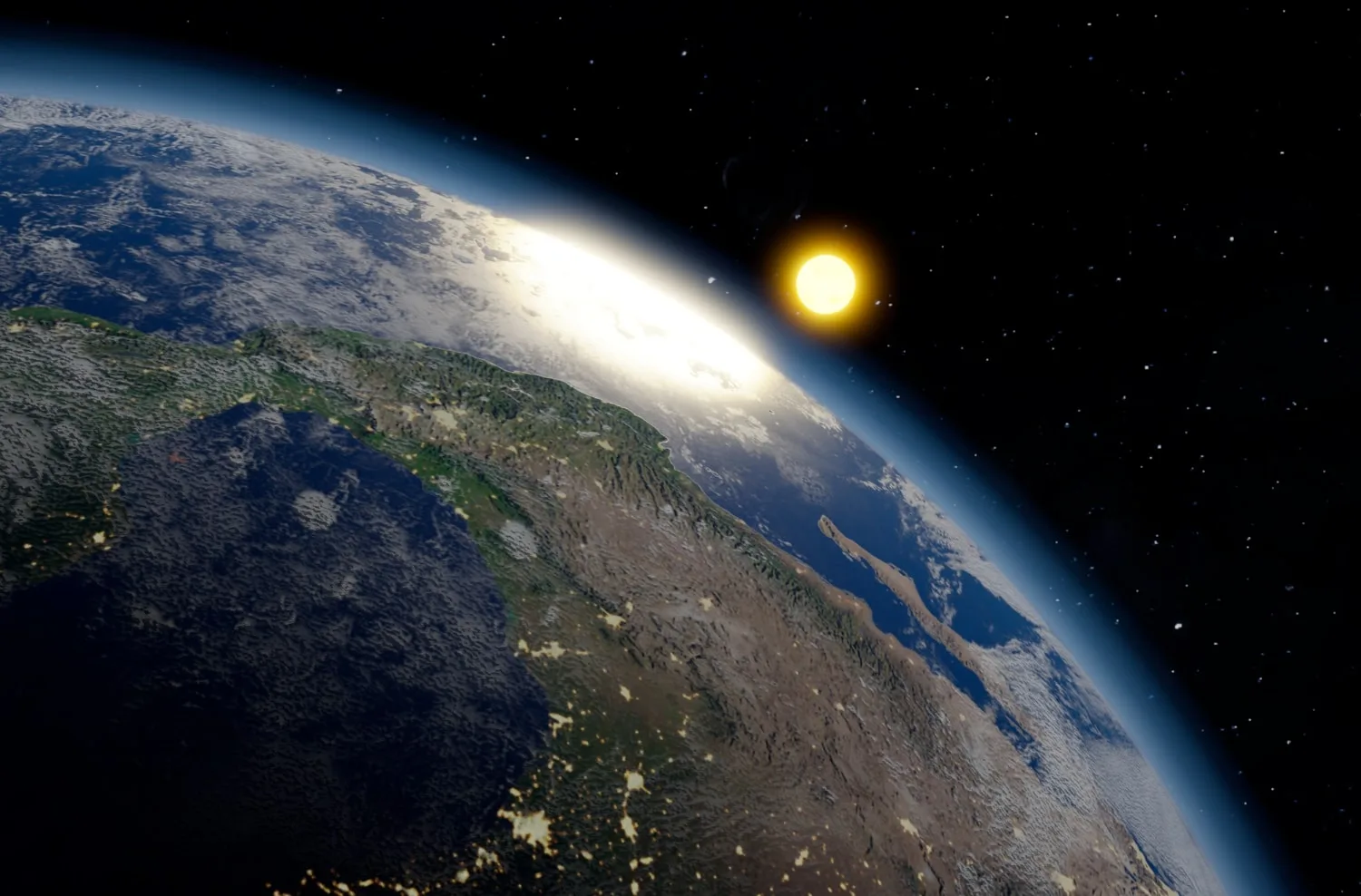
Every spring, a hole opens in the ozone layer above Antarctica. In 2025, it was smaller than in many recent years, giving scientists another reason to be cautiously optimistic. The change comes decades after countries agreed to phase out chemicals that destroy ozone high in the atmosphere. Those chemicals don’t disappear overnight, though. Some can remain for years, which means recovery takes time. There is another wrinkle: the ozone hole changes in size from year to year, depending partly on temperatures and winds above Antarctica. A smaller hole in one season doesn’t mean the problem is solved.
Still, the long-term trend offers something rare in environmental news: evidence that global action can make a real difference.